
Lash Miller Laboratories
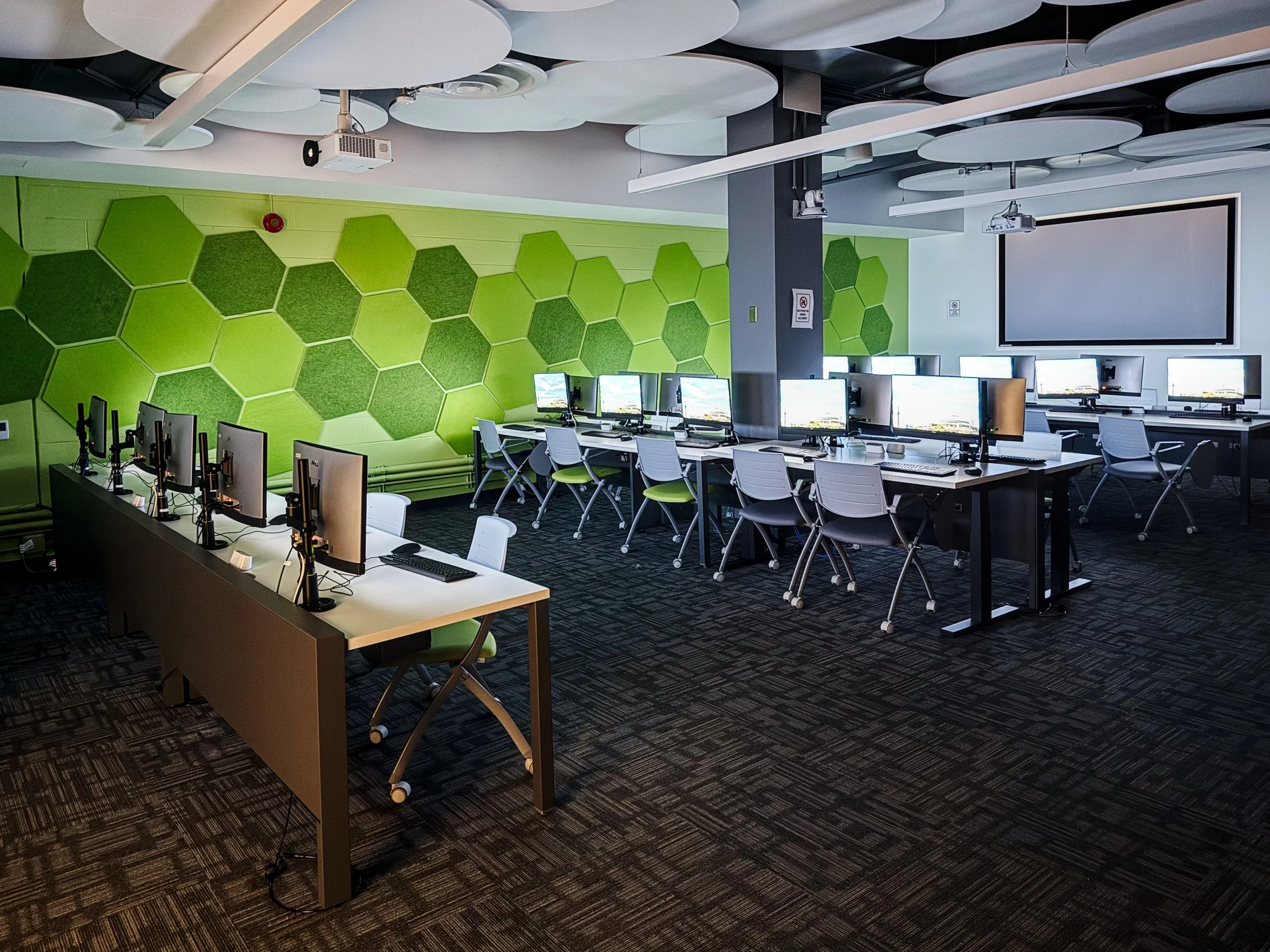
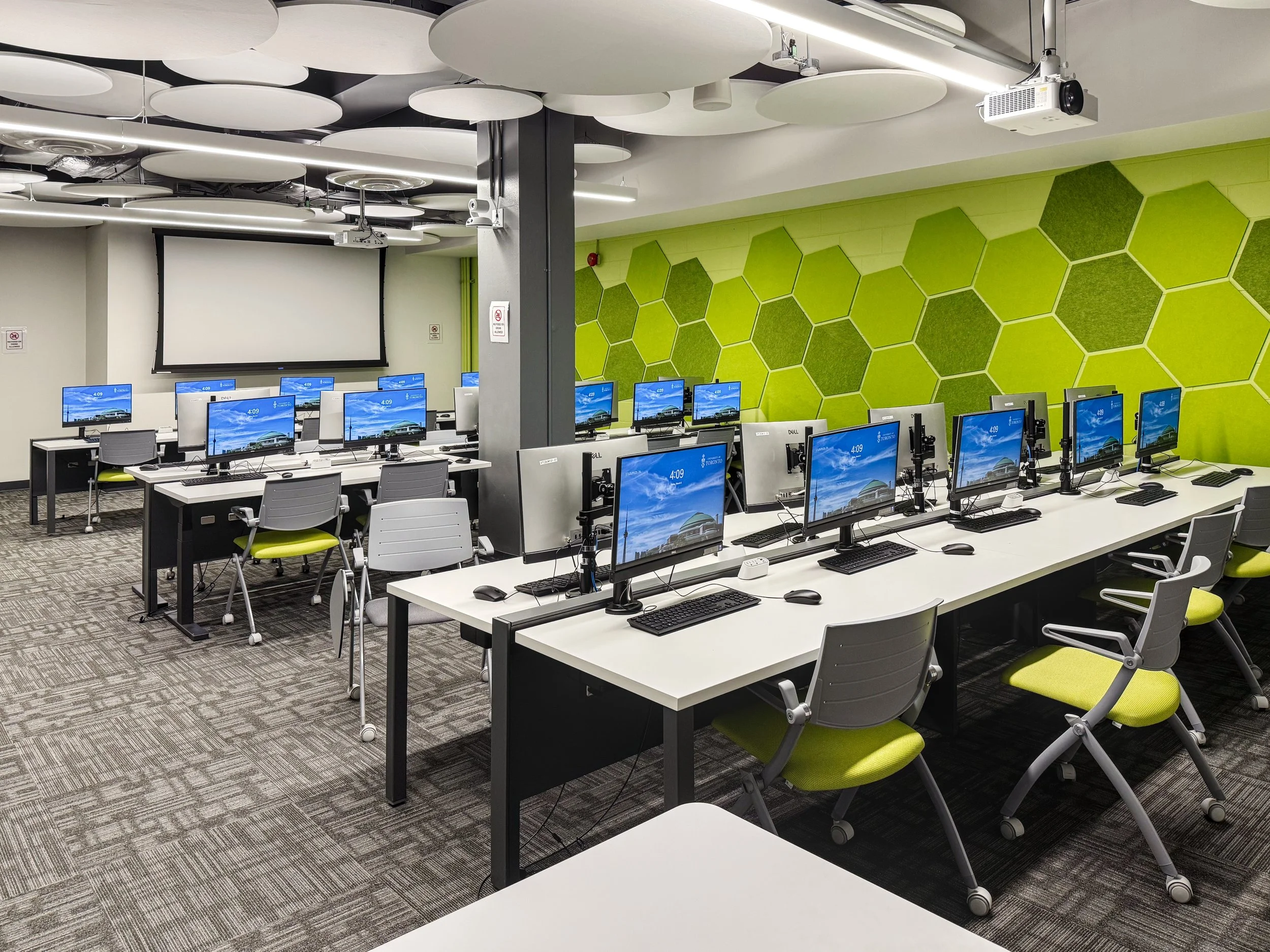
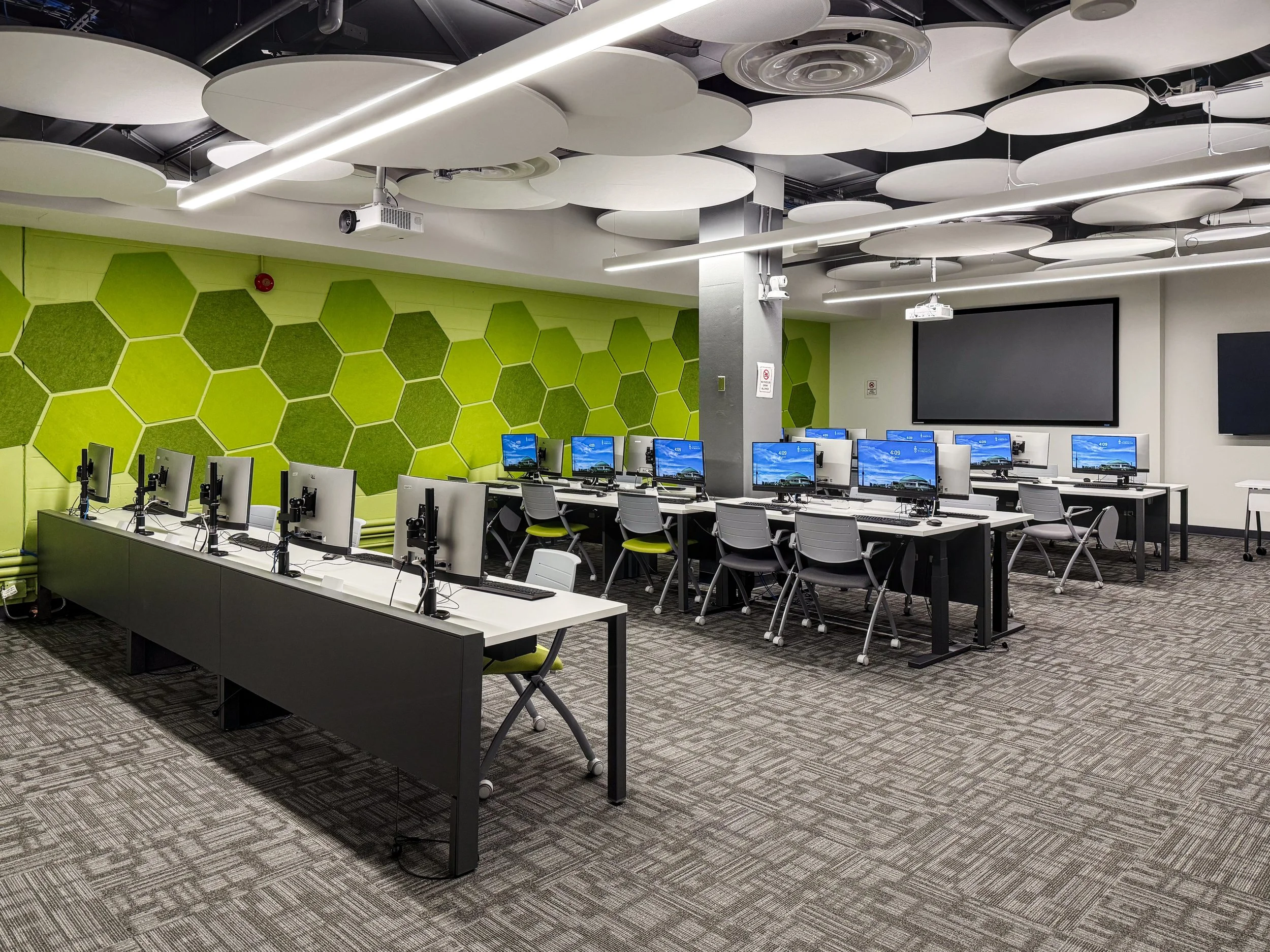
Lash Miller Chemical Laboratories are located at 80 St. George Street on the St. George Campus of the University of Toronto. The project transforms the interior of two computer labs into innovative and technologically advanced spaces inspired by the realms of organic chemistry and cellular respiration via photosynthesis. The design approach for this renovation seeks to engage the senses and foster an environment conducive to both creativity and productivity.
The design concept is centered around the notion of light as a transformative element. Selected materials within the space are arranged to create a layered and textured environment, mimicking the way light filters through the foliage of trees to provide an immersive and visually stimulating experience. The renovated computer labs will be state-of-the-art, embracing the latest advancements in educational technology.
Their design is guided by a commitment to meeting the ever-evolving needs of modern education, enabling lecture capture, online learning, and a high degree of flexibility to support a wide versatile range of teaching and learning scenarios. Adhering to the principles of “Transforming the Instructional Landscape,” our design places a strong emphasis on inclusivity and accessibility. The computer labs are meticulously planned to cater to diverse learning styles and needs, ensuring that every student and faculty member can benefit from the space. The emphasis on technology and accessibility ensures that these labs will be at the forefront of educational spaces, ready to facilitate learning in its diverse forms.
Completed
Status
Principal-in-Charge: Alan Fraser
Project Architect: Dylan Durst
Mechanical & Electrical: Stantec
Structural: RJC Engineers
Code: LMDG
Project Team
University of Toronto
Client
350 m2
Area of Work
Institutional Laboratory
Description
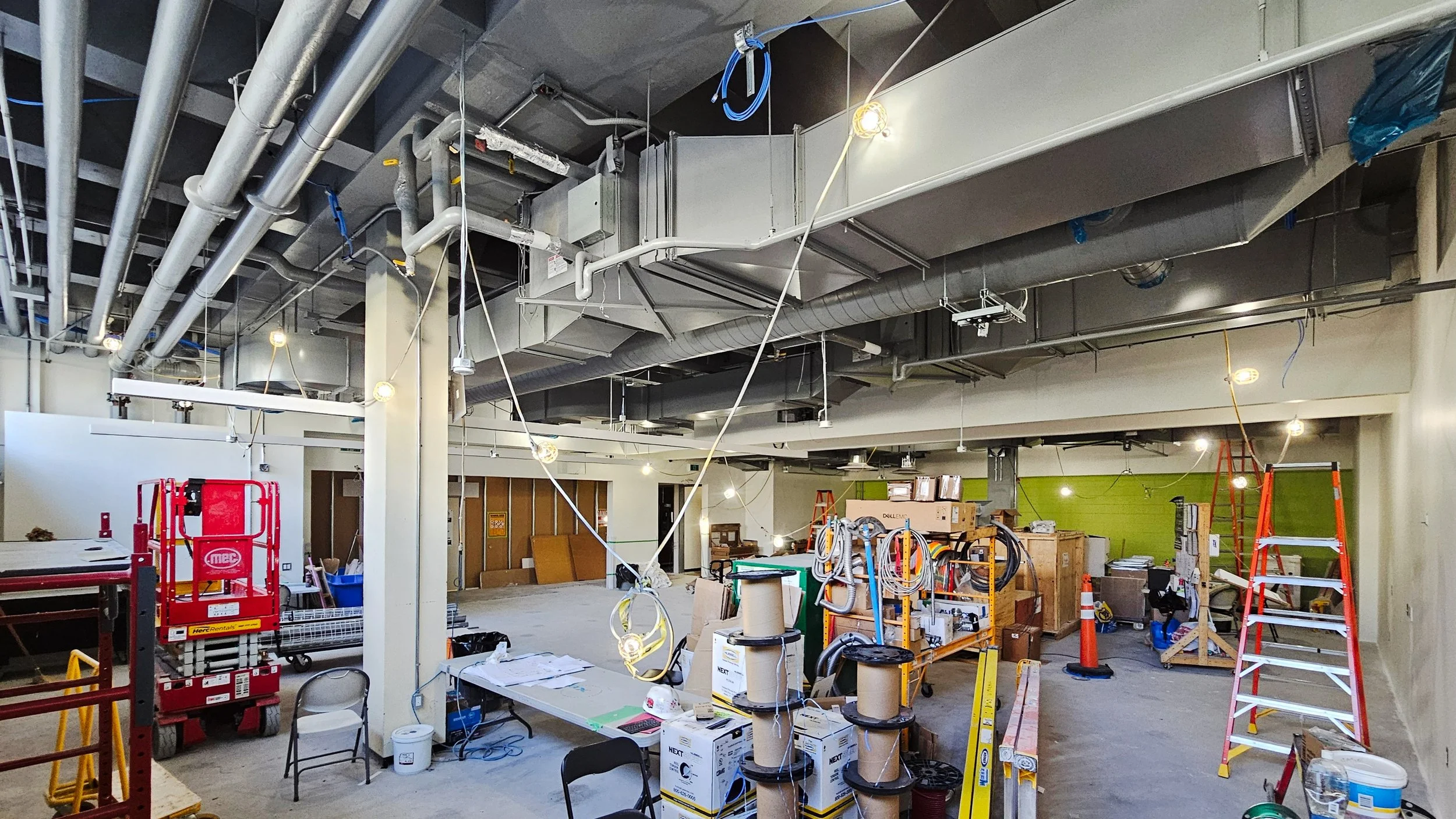
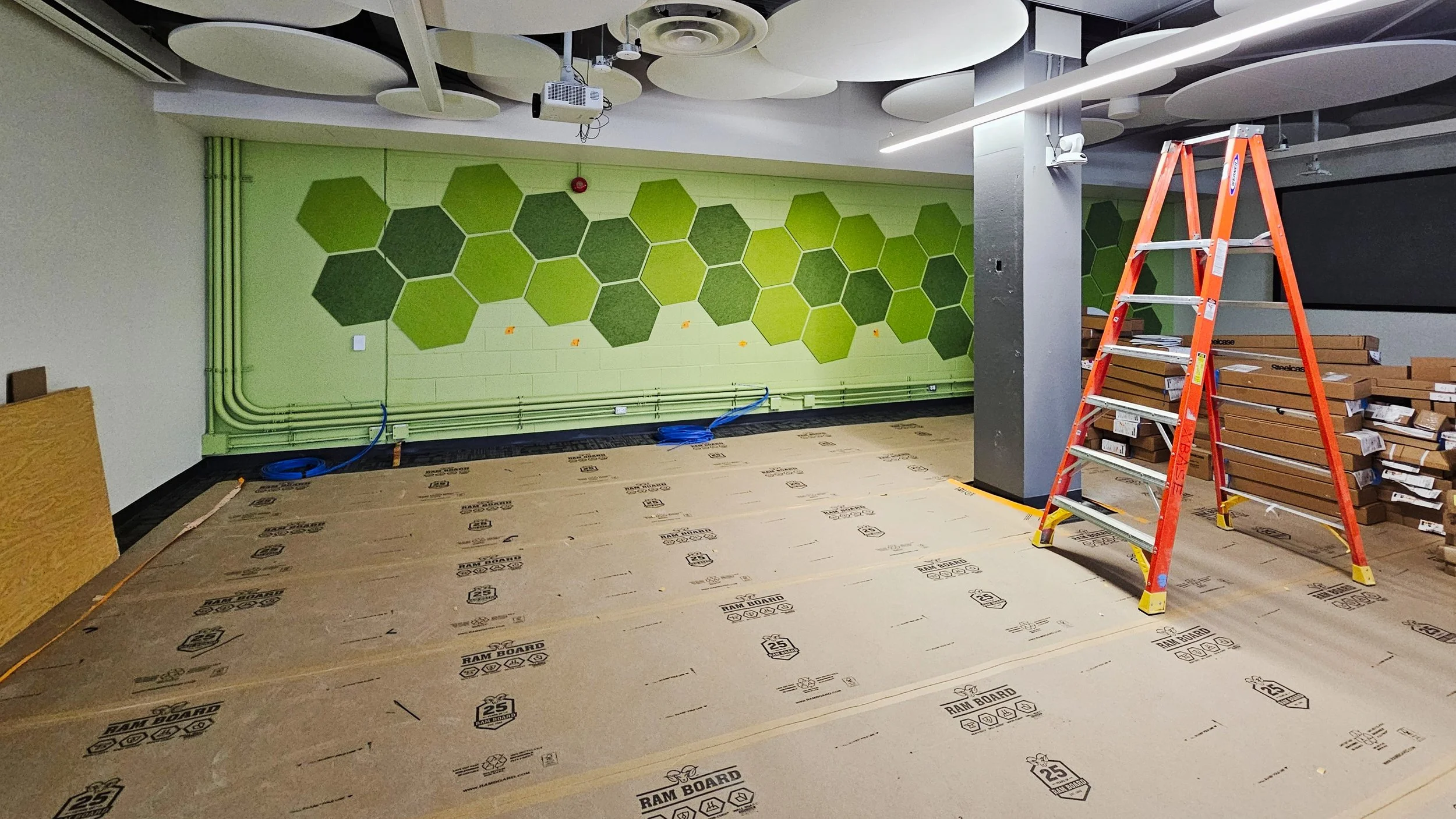
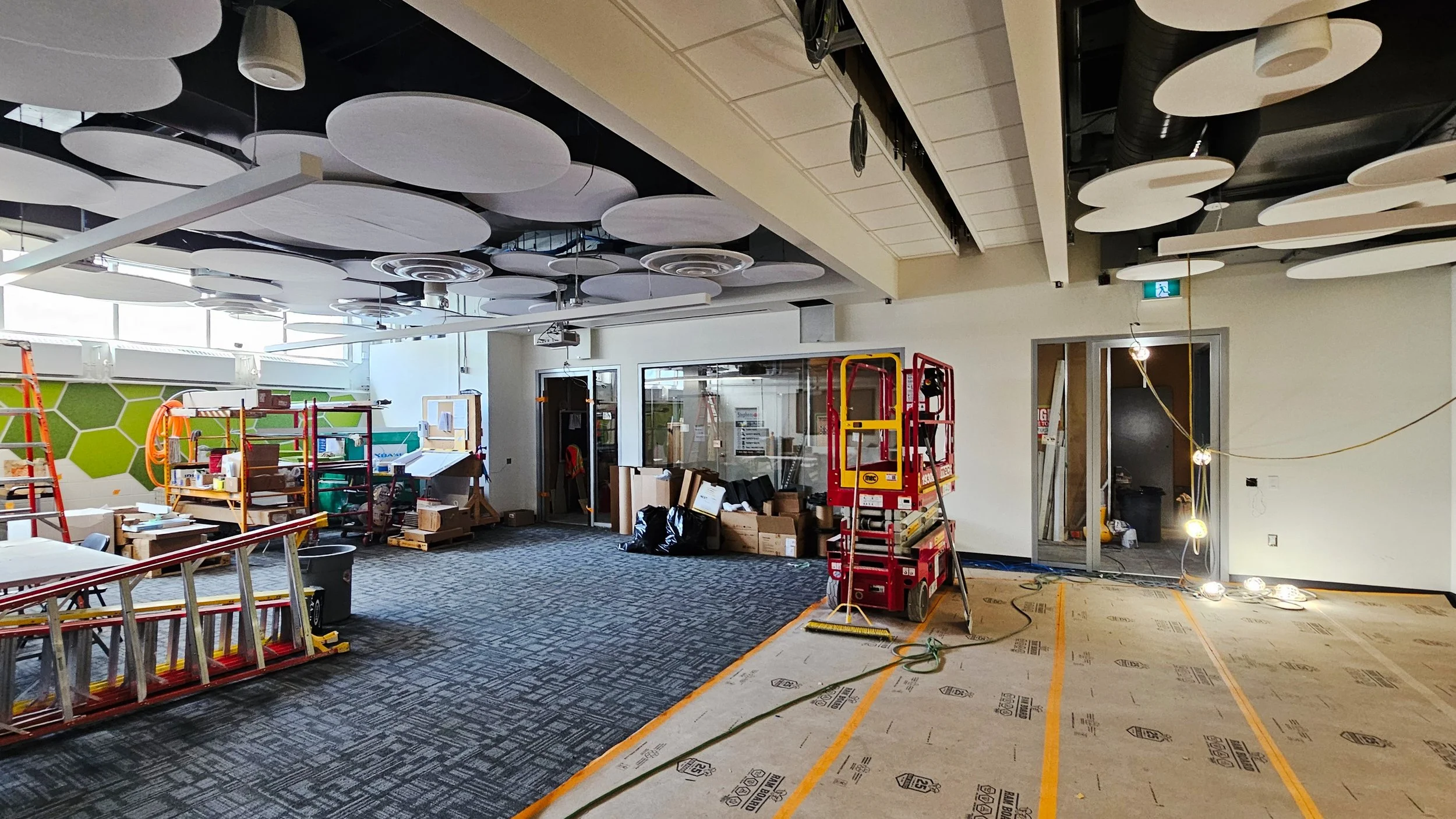
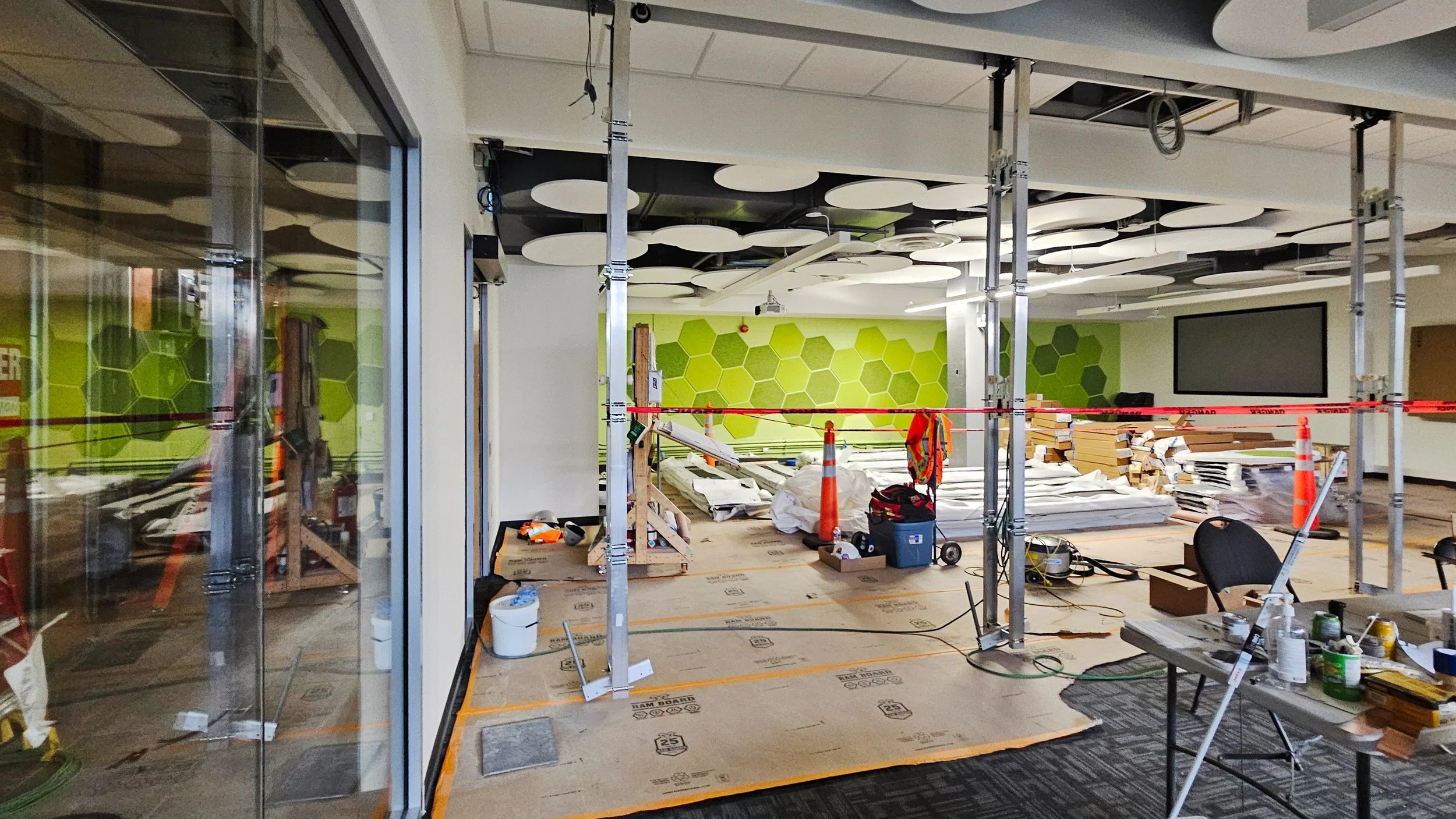
Construction Photos
HIGH-PERFORMANCE ZERO CARBON SYSTEMS


VRF & GEO-EXCHANGE
LOW-CARBON CONCRETE


DILIGENT THERMAL CONTROL
AFFORDABLE HOUSING
The design exhibits the advantages of highly integrated systems. Not only does operational energy and embodied carbon reduce significantly, so does capital cost. The result is a high performance, zero carbon subsidized affordable housing complex.
Demonstrated by the low TEDI, the basis of the integrated systems is the advanced thermal performance of the enclosure design. Diligent specification of continuous exterior insulation combined with careful detailing of component interfaces results in highly effective thermal control and high airtightness.
The heating and cooling system is a geo-exchange decentralized water source heat pump. Ventilation is decentralized in-suite ERVs. The system is optimized to the performance of the enclosure. The structure of the building is also prong approach to lowering emissions; it is cast of low carbon concrete, and structural framing was rigorously planned to avoid transfers, resulting in significant reductions in embodied carbon.